How to file a storm damage roof insurance claim in Kenosha, WI

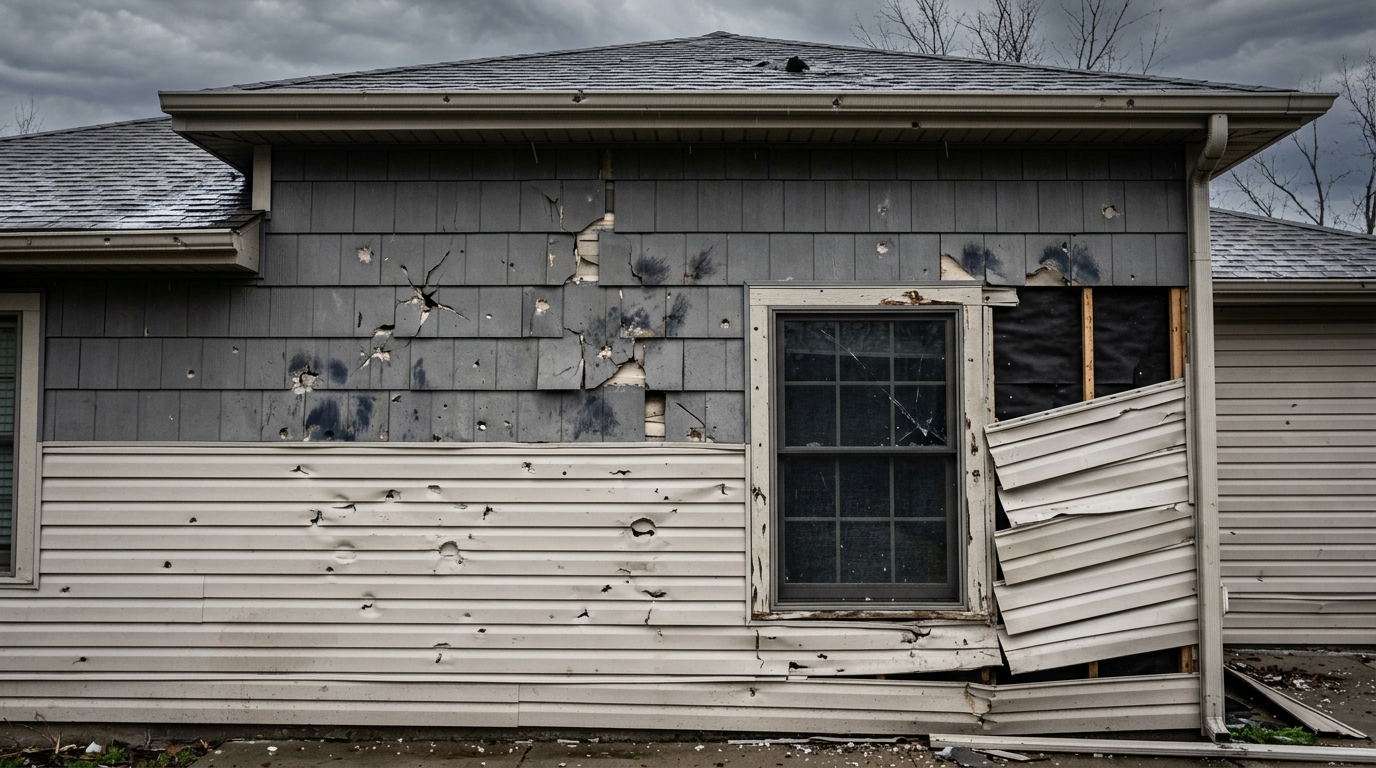
Filing a storm damage roof insurance claim in Kenosha, WI is mostly a documentation problem, not a repair problem. After a spring hailstorm or a summer straight-line wind event off Lake Michigan, most homeowners search the process before they search for a contractor: what actually counts as damage, how long they have to file, what the adjuster is looking for, and how not to get burned. This guide is the step-by-step walkthrough of that process, written the way we handle it on real Kenosha County claims. Vision Quest 11:11 LLC is a locally owned general contractor, a registered Wisconsin LLC and fully insured, and on storm work we document the damage the way an adjuster needs to see it before anything gets covered up.
One thing to get straight up front, because it is the mistake that costs the most: the claim is yours, and you file it directly with your own carrier. A good contractor documents the damage and stands next to you when the adjuster shows up. A contractor who asks you to sign over your insurance benefits so they can chase the claim for you is the one to walk away from. More on that below.
How to file a storm damage roof insurance claim
File a storm damage roof claim in six steps: get the roof inspected and photographed, note the storm date, call your carrier to open the claim, meet the adjuster on the roof, get the approved scope in writing, then have the work done to that scope and pay only your deductible. The order matters. Homeowners who call the carrier before they know what is actually on the roof tend to under-report the damage and cap their own claim.
- Get a real inspection first. Hail bruising is close to invisible from the driveway. Have someone walk the roof and photograph the damage with dated photos before you open anything.
- Pin the storm date. Carriers tie a claim to a specific weather event. If you know the hail or wind date, write it down. If you do not, a local inspection can usually line it up with a known storm that hit Kenosha County.
- Call your carrier to open the claim. You do this yourself. Report storm damage to the roof and, if applicable, siding and gutters, and give them the date.
- Meet the adjuster on the roof. The adjuster inspects and writes a scope. This is the step where damage gets missed if nobody who knows hail is up there too.
- Get the approved scope in writing. The carrier issues a scope and a payout figure. Read it against the actual damage before work starts.
- Do the work to scope, pay your deductible. Once the claim settles, the repair or replacement is completed to the approved scope and to code, and you pay your deductible, not a surprise balance.
If you already suspect your roof took a hit, the fastest path through all six steps is a free storm damage inspection with claim documentation for the roof, siding, and gutters, because we handle the photos and the adjuster walk as part of the job.
How long do I have to file a hail claim in Wisconsin?
Sooner is always better, and you have less time than you think. Many Wisconsin homeowners policies require prompt notice after a loss, and a common written window for property damage claims is around one year from the storm date, but the exact deadline is set by your specific policy, so read it or call your carrier. Do not treat one year as a safe cushion. Damage reported months later is harder to tie back to the storm, and that is where claims get denied.
The practical rule we give Kenosha County homeowners is to get the roof looked at within a few weeks of a serious storm, not a few months. Photos taken close to the event carry more weight than photos taken after a winter of freeze-thaw has muddied what caused what.
What does a roof adjuster look for?
A roof adjuster looks for storm-caused damage they can distinguish from normal wear: hail bruises with granule loss, wind creasing and lifted or missing shingles, and dented metal on gutters, vents, and flashing. They also count how much of the roof is affected, because scattered wear reads differently than a slope full of fresh hail hits. What they will push back on is anything that looks like age or maintenance instead of a specific weather event.
- Hail bruising and granule loss. Circular spots where granules are knocked off and the black mat shows through, often with a soft, dented feel underfoot.
- Dented metal. Fresh dimples in gutters, downspouts, vents, and flashing. This is the easiest hail evidence to spot and usually the first thing an adjuster checks.
- Wind creasing and lifted tabs. Shingles bent and creased along a line, or tabs lifted where the seal broke from straight-line wind.
- Missing shingles. Whole shingles torn free after a strong gust.
- Damage extent. How many slopes are hit, which drives the repair-versus-replace call and the payout.
An adjuster writes the scope from what they can see and verify on the roof. Hail bruising is invisible from the ground, so a scope written without someone walking the roof routinely misses legitimate damage. That is exactly why we walk the roof with your adjuster.
How to tell if hail damaged my roof
The honest answer: you often cannot tell from the ground, and that is the trap. Hail damage on asphalt shingles rarely looks like a hole. It reads as soft bruises where the impact knocked the granules loose and exposed the mat underneath, and those bruises shorten the roof's life even when it is not leaking yet. The clues you can spot from the yard are the secondary ones: dented gutters and downspouts, dimpled vents and flashing, granules collecting at the bottom of downspouts, and any shingles in the yard after a storm.
If any of those ground-level signs are present, assume there is more you cannot see and get the roof inspected before you decide anything. When hail or wind has chewed up whole slopes rather than one section, replacing beats chasing patches across a field of bruised shingles, and we handle that as a documented full storm-damage roof replacement in Kenosha, WI, claim paperwork and all.
When this is NOT a claim, and we will tell you
We would rather tell you the truth than talk you into a claim you should not file. If your roof is young, the only issue is one loose shingle or a single worn flashing detail, and there was no real storm, you do not have a claim worth opening, and filing one anyway can count against you. Insurers track claim history, and a denied or tiny claim on record is not free. If a contractor climbs a young, undamaged roof and immediately tells you to file, get a second opinion. Sometimes the right answer is a small cash repair now and a closer look after the next big storm.
Never sign over your insurance benefits
This is the warning that matters most. After a storm, out-of-town crews show up with a document that assigns your insurance benefits to them, often called an assignment of benefits, so they can deal with your carrier directly. Do not sign it. Once you assign your benefits, you lose control of your own claim and your own money, and you are stuck with whoever holds that paper. A straight contractor never needs it. We document your damage, hand you the photos, and stand next to you for the adjuster walk, but the claim and the payout stay yours.
Get your Kenosha storm damage documented before it is covered up
The single biggest factor in whether a legitimate storm claim gets approved is documentation done early, before weather muddies the evidence and before repairs cover it up. The fastest path is a free storm inspection where we walk the whole roof, photograph any hail and wind damage the way an adjuster needs to see it, tell you honestly whether you have a claim worth filing, and if you do, walk the roof with your adjuster so the approved scope matches the real damage.
Call Vision Quest 11:11 LLC at (414) 312-1016 or request a free storm inspection online. We are a registered Wisconsin LLC and fully insured, we serve Kenosha and Kenosha County communities within about 25 miles, and when a storm hits the whole exterior we handle the roof, matching siding, and gutter damage as one coordinated claim.
FAQ
Should I get a roof inspection before filing a claim?
Yes. Getting the roof inspected and photographed before you call your carrier is the single best thing you can do for the claim. Hail bruising is invisible from the ground, so homeowners who open a claim without knowing what is actually up there tend to under-report the damage and cap their own payout. An inspection tells you whether you even have a claim worth filing, so you do not put a needless denial or a tiny claim on your record, and it gives you the dated photos that support the claim once the adjuster arrives. We do this inspection free and tell you honestly if the damage does not warrant a claim.
Will filing a roof claim raise my insurance?
It can, and it is a fair question to ask before you file, but a weather-related loss is generally treated differently than an at-fault claim. A single storm claim after a widespread hail or wind event, especially one that hit many homes in Kenosha County at once, is usually viewed as a catastrophe loss rather than something you caused. What tends to hurt more is a pattern of small or denied claims, which is exactly why an inspection first matters: you only file when the damage is real and worth it. We do not promise a specific outcome with your carrier, and we never inflate damage to pad a scope, because that is fraud and it burns homeowners and contractors alike.
*This guide is general education on the Wisconsin storm-claim process, not legal or insurance advice. Filing windows, coverage, and deductibles are set by your specific policy, so read it or call your carrier for your exact terms. Vision Quest 11:11 LLC documents storm damage and supports your claim; we do not adjust claims or guarantee an outcome. Free inspection: call (414) 312-1016 or request one online.